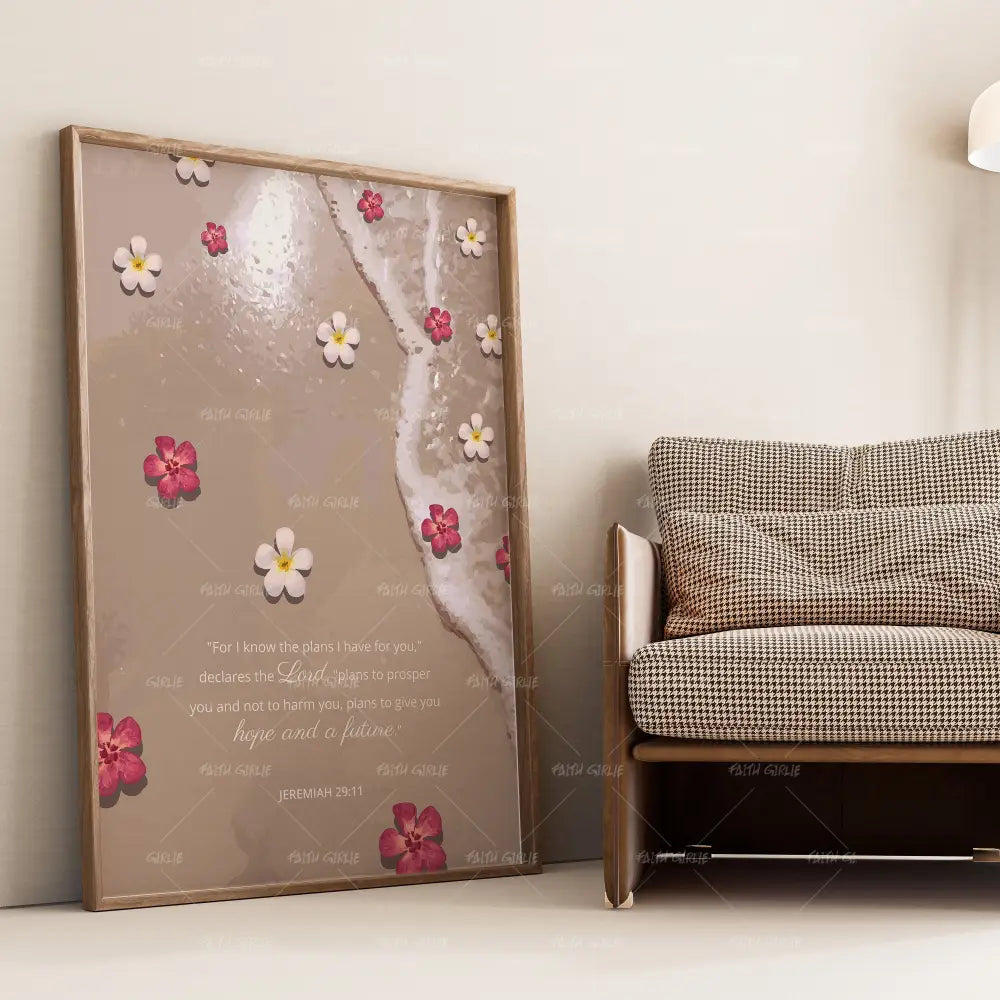
Christian art is often associated with recognizable religious imagery. A cross, a biblical scene, a painting of Jesus, or a carefully lettered Bible verse can immediately communicate that a piece of artwork is connected with Christianity.
But what about artwork that does not depict anything recognizable?
Can an abstract painting filled with color, texture, movement, and unusual shapes communicate Christian faith? Does religious artwork need to contain a biblical figure or symbol to have spiritual meaning?
The answer is yes: Christian art can be abstract. Artists can use nonrepresentational imagery to explore biblical ideas such as hope, grace, worship, prayer, renewal, and God's faithfulness. However, not every abstract painting becomes Christian simply because someone finds it peaceful or inspiring.
Understanding the difference between artistic style and spiritual meaning can help Christians appreciate contemporary faith-inspired artwork more thoughtfully.
Quick Answer: Can Abstract Art Be Christian?
Yes. Abstract art can be Christian when its meaning, inspiration, or artistic intention engages with Christian beliefs, Scripture, worship, or biblical themes. It does not need to contain a cross, portrait of Jesus, or written Bible verse. However, abstract artwork is not automatically Christian because it uses calming colors or evokes spiritual feelings. Its context and intended meaning matter.
What Is Abstract Christian Art?
Abstract Christian art is artwork that communicates ideas connected with Christianity without necessarily representing people, objects, or biblical scenes realistically.
An artist might use overlapping shapes to explore community, light and shadow to reflect hope, or flowing movement to express a personal response to worship.
Some abstract Christian artworks are completely nonrepresentational. Others combine recognizable elements with abstract backgrounds, textures, or forms.
The distinction is important because abstract art describes how something is visually expressed, while Christian art describes its relationship to Christian faith.
A work can belong to both categories.
Why Christian Art Doesn't Need to Be Realistic
Art has never been limited to reproducing exactly what the human eye sees.
Artists use exaggeration, symbolism, unusual perspectives, simplified forms, and visual metaphors to communicate ideas that realistic images may not fully express.
Christianity also includes concepts that cannot be photographed or directly observed.
Grace, forgiveness, spiritual renewal, hope, and faith are meaningful realities within Christian belief, but they are not physical objects with one recognizable appearance.
An artist exploring these themes may choose abstraction because it allows the artwork to communicate through atmosphere, relationships between forms, and visual interpretation rather than literal illustration.
That does not make abstract art inherently more spiritual than realistic art. Both approaches can communicate Christian themes effectively.
How Can Abstract Art Express Biblical Ideas?
Abstract artwork communicates through visual decisions.
Color can create contrast or harmony. Shapes can suggest stability, tension, movement, or openness. Texture may make a composition feel layered, while the relationship between light and darkness can create a sense of transition.
These artistic qualities do not have fixed biblical meanings. Blue does not automatically mean peace, and gold does not always represent God's presence.
Instead, meaning develops through the artist's intention and the context of the work.
For example, an artist inspired by Psalm 46 might create a composition contrasting chaotic movement with a stable central form. The artwork could explore the Psalm's description of God as refuge amid instability.
Another artist reflecting on renewal might use a visual transition from dense, dark forms toward an open, illuminated space.
Neither piece needs to illustrate the Scripture literally to engage with its themes.
Abstract Christian Art and the Meaning of Color
Color is one of the most noticeable elements in abstract artwork.
Warm colors can create energy, while cooler palettes may feel quiet or reflective. Strong contrast can introduce drama, and softer transitions may produce a gentler visual experience.
However, the emotional effect of color varies across cultures, individuals, and artistic contexts.
For Christian artwork, color works best when it supports the intended message rather than relying on a rigid system of spiritual meanings.
An artwork inspired by joy might use vibrant colors and expressive movement. A piece about waiting could use restrained tones and spacious composition.
These are artistic interpretations, not biblical rules.
The result can be meaningful without suggesting that Scripture assigns a universal spiritual meaning to every color.
Can Abstract Art Represent Prayer?
Prayer is often portrayed through recognizable imagery such as folded hands, kneeling figures, or people reading Scripture.
Abstract art offers another possibility.
An artist may explore prayer through repetition, rhythm, layered forms, or the movement of a composition toward a focal point.
For example, a work inspired by persistent prayer might use recurring visual elements to suggest continuity. Another piece could explore surrender through a composition that moves from tension toward openness.
These interpretations can create opportunities for reflection, although the artwork itself is not a substitute for prayer.
Its value comes from the meaning it communicates and the response it encourages.

Can Abstract Art Be Inspired by Bible Verses?
Absolutely. A Bible verse can provide the conceptual foundation for an abstract artwork without appearing as text within the finished piece.
Consider several examples.
Psalm 46:1 describes God as refuge and strength. An artist might explore that idea through a strong central form surrounded by movement.
Isaiah 40:31 speaks about renewed strength for those who wait on the Lord. An abstract interpretation might emphasize movement, elevation, or expanding forms.
John 8:12 presents Jesus as the light of the world. Light and darkness could become central visual elements, provided the artwork's interpretation remains connected to the passage.
2 Corinthians 5:7 speaks about walking by faith rather than sight. An artist might explore uncertainty, direction, and trust through abstract pathways or shifting visual perspectives.
In each case, understanding the Scripture matters more than choosing an attractive visual effect.
Abstract Christian Art vs. Spiritual Abstract Art
These terms sometimes overlap, but they are not identical.
Spiritual abstract art is a broad category. It may explore transcendence, meditation, inner peace, nature, mystery, or beliefs from different religious traditions.
Christian abstract art has a more specific connection to Christian faith.
Its meaning may relate to biblical teaching, Christ, prayer, worship, grace, redemption, or other Christian themes.
An abstract painting described as spiritual is therefore not necessarily Christian.
When choosing artwork for a faith-centered space, consider the artist's description, title, inspiration, and intended meaning rather than assuming that every spiritually themed piece reflects Christianity.
Does Christian Abstract Art Need a Bible Verse Printed on It?
No. A visible Scripture reference can help establish an artwork's connection with the Bible, but it is not the only way to communicate Christian meaning.
Some artists include a verse in the title or accompanying description. Others explain the biblical inspiration through the story behind the piece.
This allows the visual artwork to remain the central element while giving viewers an opportunity to explore its meaning.
For someone who prefers contemporary interiors, that approach can be particularly appealing. The artwork may fit naturally alongside other modern pieces while retaining a thoughtful connection to faith.
How to Know Whether Abstract Art Has Christian Meaning
Because abstract artwork can be open to interpretation, understanding its background is useful.
Before choosing a piece, consider the following questions:
-
What inspired the artist? Is the work connected to Scripture, Christian belief, or a particular faith experience?
-
What does the title communicate? Does it provide meaningful context for the imagery?
-
How does the artist explain the design? Are the visual choices connected to the stated theme?
-
Does the interpretation respect Scripture? If a biblical passage is referenced, is it understood within its context?
-
Does the artwork encourage meaningful reflection? Is the connection more substantial than simply using religious language to market a decorative image?
Not every artwork needs an elaborate explanation, but understanding its inspiration can help distinguish intentional Christian art from a generic abstract design with a religious label.
Why Abstract Christian Art Works in Modern Homes
Contemporary interiors often combine clean lines, expressive furniture, natural textures, and carefully selected artwork.
Abstract Christian wall art can complement these spaces without requiring every piece to contain prominent text or traditional religious symbols.
It also offers flexibility.
A large abstract composition can become the focal point of a living room, while a smaller piece may introduce a quiet expression of faith into a bedroom or study.
Because abstract artwork can work across many design styles, it may be easier to combine with existing furniture, photographs, and decorative pieces.
The goal is not to hide Christian identity. It is to allow faith-inspired artwork to participate naturally in the home's visual character.
Choosing Abstract Christian Wall Art for Your Space
Start by identifying what you want the artwork to communicate.
If your focus is peace, you may prefer a composition with visual balance and gentle movement. If you want something connected to joy or celebration, energetic colors and expressive forms may feel more appropriate.
Next, consider the scale of the artwork.
A large piece can create a strong focal point, particularly above a sofa, console, or bed. Smaller artworks may work better within a gallery wall or a quiet corner.
Finally, think about the relationship between the artwork and the room. It does not need to match every decorative detail, but its colors, proportions, and overall energy should feel intentional.
Meaning should guide the selection, while design considerations help the piece feel at home.
Can You Mix Abstract Christian Art With Bible Verse Wall Art?
Yes, and combining the two can create a more balanced display.
Bible verse art communicates directly through words, while abstract artwork offers visual interpretation.
A gallery wall might feature one meaningful Scripture print alongside an abstract piece inspired by the same theme. For example, a verse about hope could be paired with artwork using light, movement, and open space.
This approach adds visual variety without requiring multiple pieces to repeat the same message.
It also allows Scripture and artistic expression to complement each other rather than compete for attention.
Is Abstract Christian Art Appropriate for a Prayer Room?
Abstract Christian art can be appropriate for a prayer room when its meaning supports reflection on Scripture and prayer.
Some people find recognizable imagery or written Bible verses more helpful for concentration. Others appreciate artwork that invites quiet contemplation without placing additional text in the space.
Neither preference is inherently more faithful.
The important distinction is that artwork should support prayer rather than become an object believed to possess spiritual power.
A prayer room does not need a particular artistic style. It needs to serve its intended purpose.
Abstract Christian Art as a Meaningful Gift
Faith-inspired abstract artwork can make a thoughtful gift, especially for someone who enjoys modern design but does not typically decorate with traditional religious imagery.
It may be suitable for a housewarming, birthday, graduation, wedding, or another meaningful occasion.
However, abstract art is personal. The recipient's taste matters.
Some people enjoy bold color and expressive movement, while others prefer neutral palettes and minimalist compositions.
A thoughtful Christian gift should consider both the biblical message and the recipient's aesthetic preferences.
Including a short explanation of the Scripture or theme behind the artwork can also make the gift more meaningful.

Is Abstract Christian Art Less Meaningful Than Traditional Religious Art?
Not necessarily.
Traditional Christian art has a rich history and can communicate biblical narratives, worship, and theological ideas with remarkable depth.
Abstract Christian art uses a different visual language.
Its strength may lie in exploring experiences and concepts that are difficult to illustrate literally.
Neither style automatically has greater spiritual value.
A traditional painting can be beautiful but poorly understood. An abstract composition can be deeply meaningful when its biblical inspiration is thoughtfully developed.
What matters is the relationship between the artwork, its message, and the viewer's engagement with that message.
Faith Girlie: Exploring Faith Through Contemporary Art
At Faith Girlie, we believe Christian artwork can be both meaningful and visually expressive.
Faith does not need to be represented through one artistic tradition. Scripture, prayer, hope, courage, grace, and spiritual growth can inspire many forms of creativity.
Our Christian wall art, Bible verse art, prayer-inspired artwork, and contemporary faith-based designs explore ways to make these themes visible within modern homes.
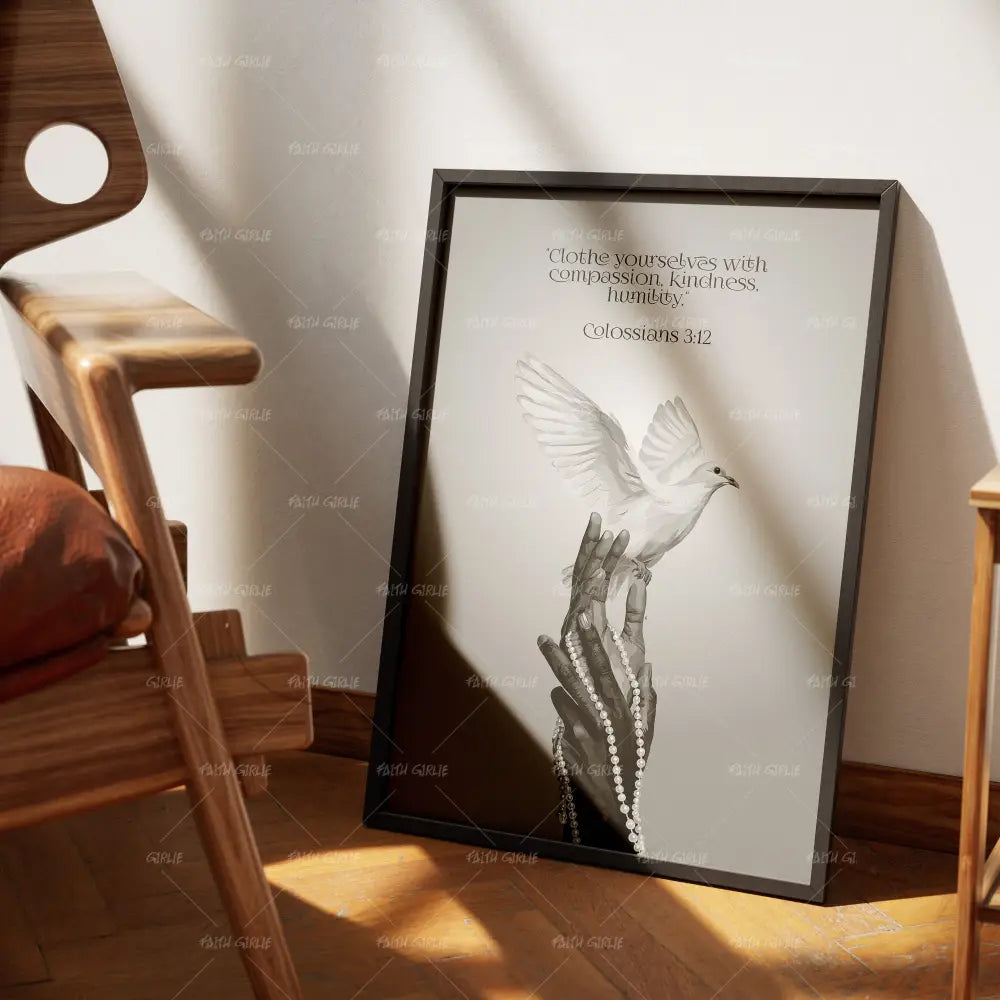
For some people, that means a favorite Bible verse displayed in beautiful typography. For others, it means a portrait, symbolic illustration, or abstract composition connected to a meaningful biblical idea.
The style may change, but the intention remains: creating artwork that encourages reflection on faith in everyday life.
Frequently Asked Questions
Can abstract art be Christian?
Yes. Abstract art can be Christian when its inspiration, meaning, or artistic intention is connected to Christian beliefs, Scripture, worship, or biblical themes.
What is abstract Christian art?
Abstract Christian art uses nonrealistic imagery, including color, shapes, textures, and visual composition, to explore ideas associated with Christianity.
Does Christian artwork have to depict Jesus or a cross?
No. Christian artwork can communicate biblical themes without depicting recognizable religious figures or symbols.
Is all spiritual abstract art Christian?
No. Spiritual abstract art may reflect many religious, philosophical, or personal beliefs. Christian abstract art has a specific relationship to Christianity.
Can Bible verses inspire abstract paintings?
Yes. Artists can interpret biblical themes through visual elements such as light, movement, contrast, and form without printing the verse directly on the artwork.
Is abstract Christian art suitable for a prayer room?
Yes. It can support reflection when its meaning is connected to prayer or Scripture. However, the artwork itself does not replace prayer or possess spiritual power.
Can I mix abstract Christian art with regular wall art?
Yes. Abstract Christian pieces can be displayed alongside family photographs, contemporary portraits, botanical artwork, and other meaningful designs.
What should I look for when buying abstract Christian wall art?
Consider the artwork's biblical inspiration, the artist's intended meaning, its visual style, and how well it fits your space and personal taste.
Final Thoughts
Christian art does not need to depict a recognizable biblical scene to communicate faith.
Abstract artwork offers another way to explore ideas such as hope, grace, prayer, renewal, and God's faithfulness through color, texture, movement, and visual symbolism.
Its meaning may not always be immediately obvious, but that can create opportunities for curiosity, conversation, and reflection.
The most important consideration is not whether the artwork looks traditional or contemporary. It is whether the artistic expression has a thoughtful connection to the Christian message it seeks to communicate.
At Faith Girlie, we celebrate Christian wall art, Bible verse designs, prayer-inspired artwork, and contemporary expressions of faith that bring biblical meaning into the spaces people live in every day.


Leave a comment
This site is protected by hCaptcha and the hCaptcha Privacy Policy and Terms of Service apply.